
About
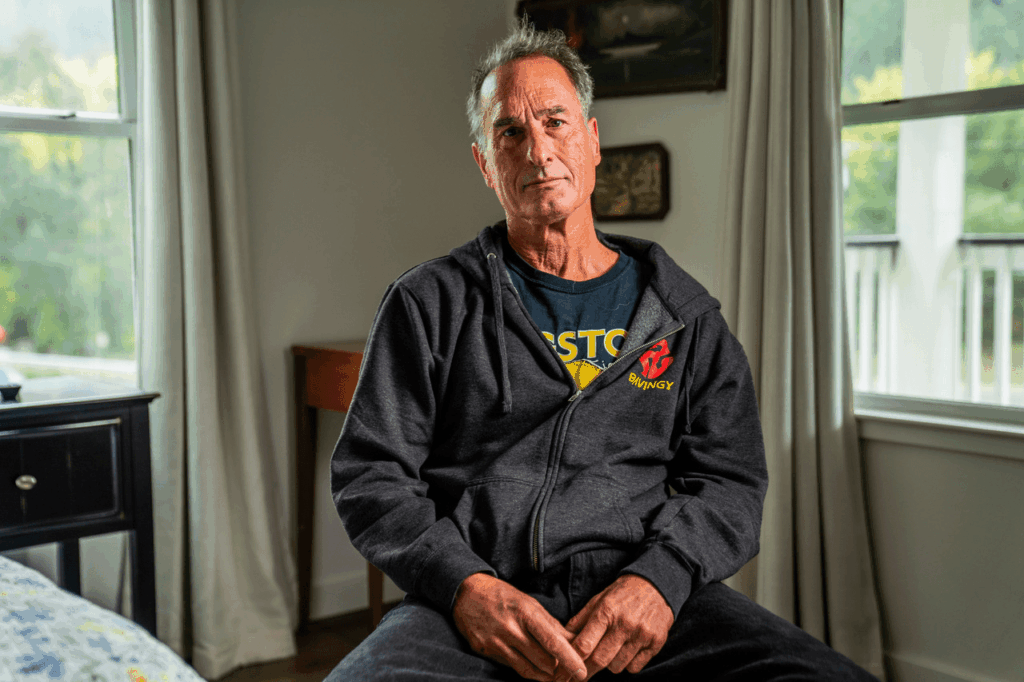
David I. McGraw — “Davingy"
Artist | Sculptor | Visionary of Place and Material
Known in the art world as “Davingy”—a playful fusion of his first and middle names with a nod to Leonardo da Vinci—David I. McGraw’s creative journey has been one of continual reinvention. Born and raised in Portland, Oregon, McGraw earned a political science degree from the University of Oregon before moving to San Francisco in search of something beyond the traditional path set before him. That search came into sharp focus in 1982, during a transformative visit to New York’s Museum of Modern Art, where he felt an immediate kinship with modern masters. Inspired, he began formal studies in drawing and painting at the San Francisco Art Institute.
Early in his career, Davingy worked in an abstract expressionist style, drawing influence from the New York School artists—de Kooning, Gorky, and Pollock—before shifting into sculpture. Welding, architecture, and engineering became central to his practice, as he explored the possibilities of metal, fiberglass, ceramics, wood, and salvaged materials. His studios, from Hunters Point to Sonoma County, became laboratories for large-scale works that marry bold color with the raw character of recycled industrial objects.
Today, Davingy creates site-specific works that blend seamlessly with their environments, whether nestled in a natural orchard or staged in an urban setting. His sculptures often incorporate unexpected elements—surfboards, farm equipment, architectural glass—imbued with both history and a sense of play. Bright, industrial colors provide a counterpoint to the organic world, while his use of reclaimed materials ensures every piece carries a story.
For Davingy, art is an evolving conversation. He avoids repetition, viewing each new work as an opportunity to explore form, texture, and energy in fresh ways. His process is intuitive and dynamic, often sparked by a spontaneous moment of discovery. Supported by his wife Amy, longtime studio manager Mark St. Peter, and a close network of friends and collectors, Davingy continues to push the boundaries of what sculpture can be—transforming salvaged history into vibrant, living works that connect people, place, and imagination.